Running the Detroit Free Press Marathon: A Coach's Mile-by-Mile Guide
Most marathons ask one question: how fit are you?
Detroit asks two. How fit are you, and did you read the fine print?
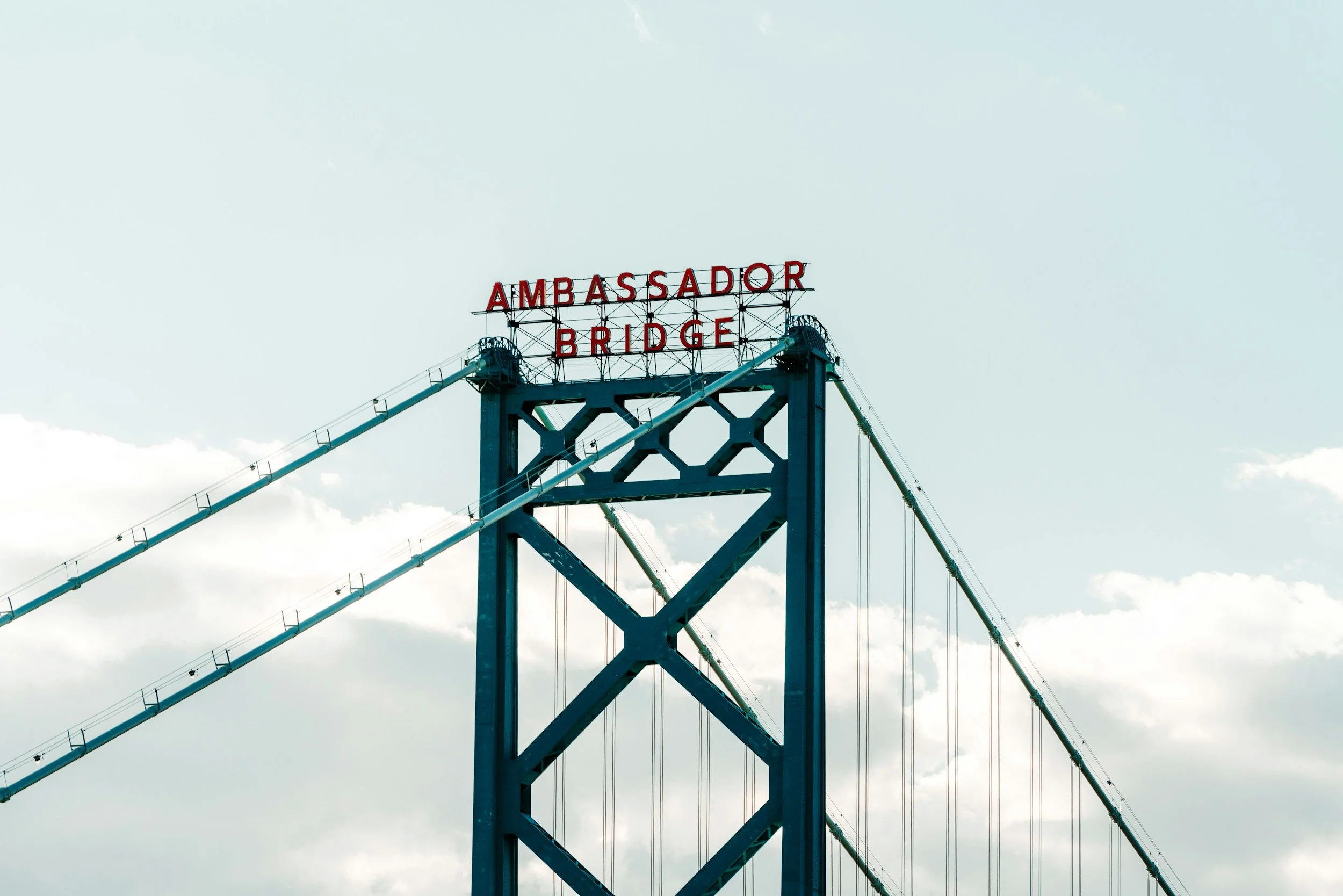
This is one of the few genuinely international marathon courses in the world. You start in Detroit, climb a suspension bridge into Canada, run several miles in Windsor, and come home through a tunnel underneath the Detroit River. It's a Boston qualifier, it's mostly flat, and it's absolutely a PR course — right up until the two places where it isn't.
Here's what you need to know, from the paperwork to the finish line.
First: the thing that ends races before they start
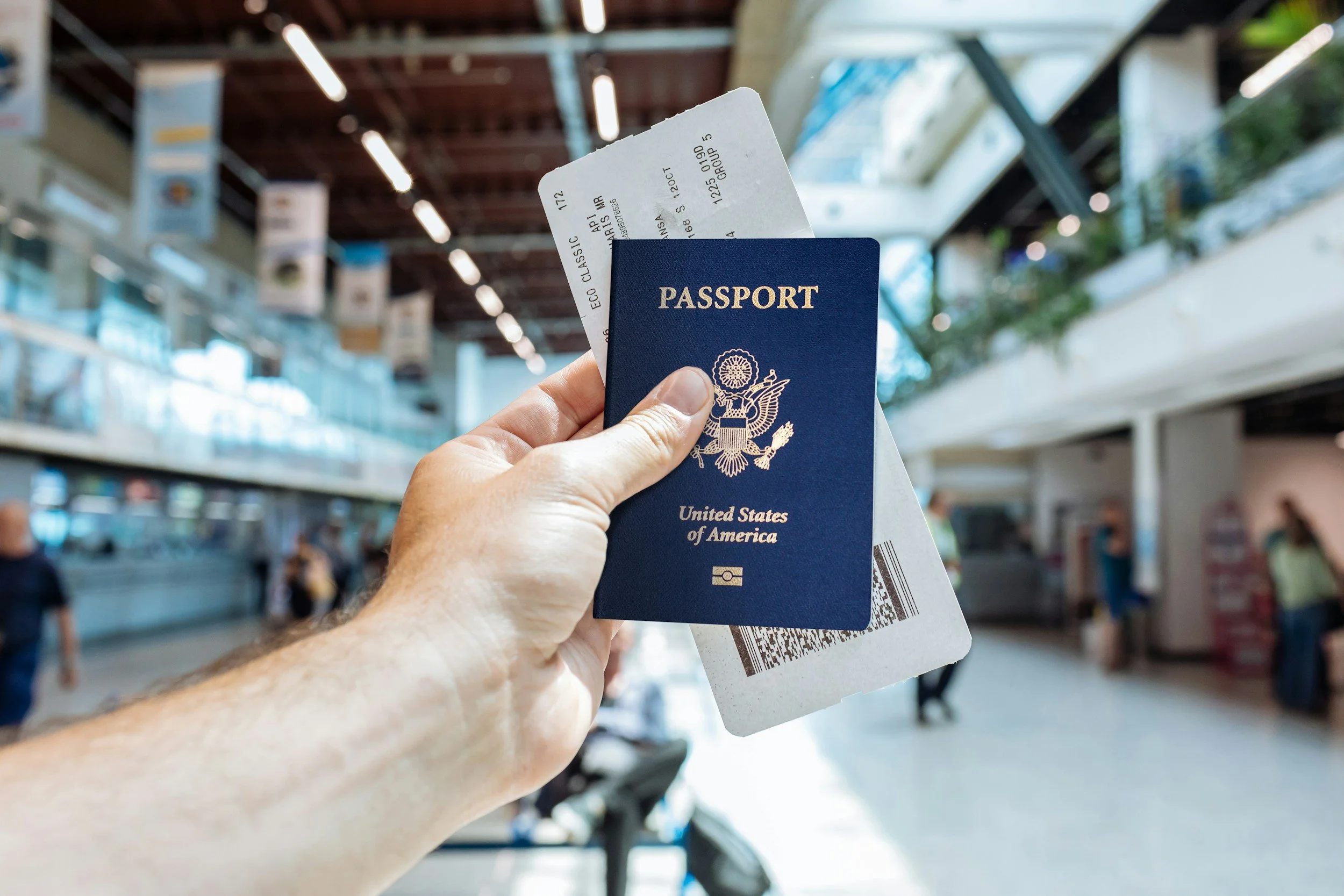
Carry approved ID.
You are crossing an international border. Twice. On foot.
A standard driver's license will not get you through. Neither will a REAL ID. You need one of these:
A valid passport
A passport card
An Enhanced Driver's License
A NEXUS card
Every year people show up on race morning holding a regular license and don't run. It's the most preventable DNF in the sport.
If you don't have one of the four, check the race's current requirements immediately. An Enhanced Driver's License takes weeks to process in Michigan, and most of the country, and you're inside that window now. You'll also want your bib visible at both crossings, so no jacket zipped over it when you hit the bridge.
Check this today. Not the week of.
Race morning
Start corrals open at 6:15 a.m. and close at 6:55. The main field goes off at 7:00 in waves, released in small groups at short intervals based on the projected pace you put on your registration form. Gear check opens at 5:30.
Two things follow from that.
You can drop back but not move up. If you want to run with a friend in a later corral, you can join theirs. They can't join yours. Sort that out before race morning, not in the chute.
Your projected pace matters. The wave assignment came from what you wrote months ago. If you're fitter than you were then, you'll spend early miles weaving. If you're less fit, you'll get swept along faster than you should. Know which one you are before the gun.
-
Flat, fast, dark, and full of adrenaline. You're running through downtown with a few thousand people who all feel amazing.
This is the most important stretch of the race and nothing happens in it. That's the point.
Every marathon has a trap in the first 5K. Detroit's is worse than most, because the thing that punishes you for going out fast is only a mile away and you can see it coming.
Goal pace or ten seconds slower. Not faster. I don't care how good you feel.
-
Your biggest climb of the day is roughly a mile long, and it arrives before you're warm.
This is where the race gets decided for a lot of people. The instinct is to attack it, you're fresh, the crowd's energy is still in your legs, and there's a sunrise over the Detroit River that makes you feel like the main character.
Don't.
Run this by effort, not by pace. Let your pace slow 20–30 seconds per mile on the way up and don't try to make it back. Shorten your stride, keep your cadence, keep your breathing where it was on the flat. The goal is to arrive at the top of that bridge having spent almost nothing.
Then be equally careful going down. The descent feels free. It isn't. Hammering a mile of downhill at mile 4 is how you arrive at mile 20 with quads that have quietly quit. Let gravity do the work, don't add to it.
If you've never trained on a sustained mile-long grade, add a few in over the next three weeks. Not repeats until you're wrecked, just enough that your legs recognize the feeling.
-
You're in Canada. It's flat, it's scenic along the riverfront, and it's quieter than Detroit was.
This is where a well-run race starts to feel easy and a badly-run race starts to feel expensive. Settle in. Find your rhythm. Take your first gel here if you haven't already.
Enjoy it a little. You are, after all, in another country, on foot, because you signed up for it.
-
You drop into the Detroit-Windsor Tunnel and run a mile underneath a river. It is the only official underwater international mile in any marathon on earth, and it is genuinely one of the coolest things in road racing.
It is also warm, humid, loud, and slightly disorienting. A few practical notes:
Your watch is going to lie to you. GPS doesn't work underground. Your pace will read wildly wrong, your distance will be off when you surface, and your splits for that mile are fiction. Decide right now that you're running this mile by feel and you'll ignore whatever your wrist says. If you're the kind of runner who'll spiral over a bad split, switch your watch face to total time before you go in.
It's hot down there. No wind, no air movement, a lot of bodies. If you're wearing a layer you've been tolerating, this is where it becomes a problem.
There's a cutoff. You need to be through the tunnel by 10:00 a.m. For a 7:00 start that's generous, but if you're running near the back or planning significant walk breaks, do the math beforehand.
And then there's the climb out. Coming up out of the tunnel around mile 8 is a half-mile rise, and it arrives at exactly the moment your legs have lost their reference for what pace feels like. Same instruction as the bridge: effort, not pace. Don't try to make up what the tunnel cost you.
-
Back in Detroit, and the course opens up through some of the best neighborhoods on the route. The crowd support here is real.
At 13.1 the half marathoners peel off toward their finish, and the field around you thins dramatically.
Be ready for that. It's a psychological cliff that catches first-timers every year — one minute you're in a crowd, the next you're on a much emptier road with thirteen more miles to go, wondering if you're in the right place. You are. Everyone around you just made a different decision months ago.
Halfway is your honesty checkpoint. If you feel strong here and you're on pace, good. Hold it, don't spend it. If you're already working harder than you should be, adjust now. A 20-second-per-mile correction at mile 13 costs you a few minutes. The same problem unaddressed costs you twenty.
-
Historic neighborhoods, bands, and some of the most enthusiastic spectators of the day. Indian Village in particular is a lift.
This is a good stretch. Use it. This is where you bank calm, not time.
Keep the fueling rhythm you've practiced. If you've been taking a gel every 40 minutes, don't skip one because you feel fine. Feeling fine at mile 16 is a function of what you ate at mile 10.
-
Here's the part nobody warns you about.
You cross onto Belle Isle for a loop of the island, the same pavement that hosts a Formula One race, and it is beautiful, flat, exposed, and lonely. Long stretches without much crowd. Wind off the water with nothing to block it. And you arrive there right at the mile marker where marathons traditionally get difficult.
Veteran Detroit runners will tell you Belle Isle is the hardest part of the course, and it isn't because of the terrain. It's because miles 20 through 23 are where your race is decided, and Detroit puts them somewhere quiet.
Plan for this specifically.
Know before race day that this section is coming and that it will feel long. Surprise is what breaks people.
Break it into pieces. Not "four miles on an island", the next bend, the next aid station, the next 800 meters.
If you're a music person, this is what you saved it for.
Check your effort honestly. If you have something left, this is where you spend it. If you don't, this is where you hold on and protect the finish.
-
Off the island and along the Detroit River toward the finish, with the skyline in front of you the whole way.
The final miles run along the riverfront and through the downtown area, and the crowd comes back. Exposed and potentially windy, but you can see where you're going, which counts for a lot at mile 25.
You've done the hard part. Run it in.
Three things I tell my athletes about this course
Detroit rewards patience more than most fast courses. The elevation profile says flat, and it mostly is, but the two climbs are front-loaded and the quiet miles are back-loaded. A course that's easy to run fast is also easy to run stupid. Your race is won by what you don't do before mile 8.
Your data will have holes in it. Between the tunnel and the bridge, your GPS file is going to be untrustworthy in places. If you're chasing a specific time, know your goal pace by feel and use the mile markers on the course as your source of truth, not your watch.
Your legs need to know what a sustained grade feels like. You've got a few weeks left. This isn't the moment for a new hill program, but working a mile-long grade into a couple of easy runs, just enough to rehearse the effort, pays off more than another hard workout will.
Where you are right now
You're about five weeks out (if you are reading this right as I post this). That means your last big long run is either just behind you or just ahead, and everything after it is about arriving healthy rather than getting fitter.
The fitness is built. What's left is execution: sharpening a little, sleeping a lot, practicing your race-morning fueling on your long runs, and resisting the very strong urge to cram in the training you wish you'd done in August. You can't. Nobody can. The runners who have good days in October are the ones who accept that in September.
Taper honestly. Show up rested. Bring the right ID.
One more thing
I'm a UESCA-certified running coach based in metro Detroit, and I coach runners online across the country. If you're staring down Detroit, or looking past it at a spring race and wondering how to build a better block next time, I offer a free 20-minute call. No pitch, no pressure. Just a conversation about where you are and where you're trying to get.
[Book a free 20-minute run-sultation →]
Good luck out there. See you on the bridge.
